Defatted high protein
YP-90DF
High-protein, low-fat nutrition and controlled blending.
- Protein · dry basis
- ≥90.0%
- Fat
- ≤2.0%
Third-Party Sample Test: Fat 0.9 g/100g
Discuss YP-90DF
Fermentation-derived · Non-dairy · Complete protein
ASXAN manufactures yeast protein ingredients for food and nutrition—offering high-protein, low-fat and hydrolyzed grades that expand formulation choice beyond dairy and plant proteins.
Protein quality, supply choice and product differentiation—putting yeast protein in the same competitive set as whey and major plant proteins.
Explore the grades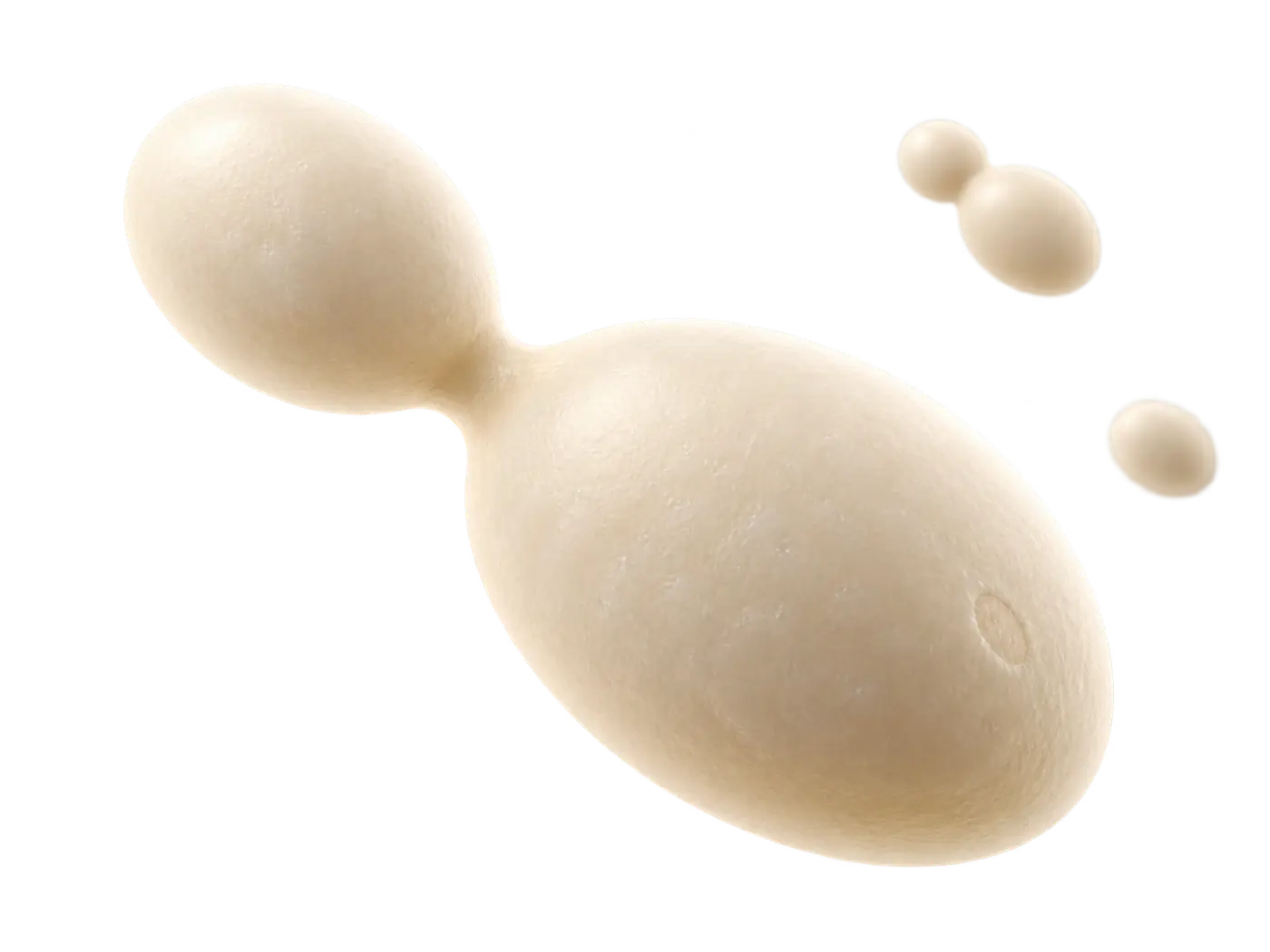
Production efficiency
vs. animal protein
Shorter production cycles and greater resource efficiency add a new source option to the protein supply. Relative production efficiency (beef = 1): yeast ×2000 / soya ×10 / beef ×1. [1] Production-efficiency reference.
Compare yeast protein and whey protein by the selected grade, protein content, quantity, destination and quotation date. Share your current whey reference, selected grade, quantity and delivery basis for a price comparison.
[2] WPC80 / WPI90 market reference · October 2026.
Request a price comparison ↗What is yeast protein?
Made from food-grade Saccharomyces cerevisiae biomass, ASXAN yeast protein is produced through industrial fermentation as a non-dairy complete-protein ingredient for nutrition products and everyday foods.
Fermentation origin creates new space for product differentiation.
 Allergen-free
 Lactose-free
 Clean label
 Non-GMO
 Vegan
 Animal-free
Claims are confirmed by grade, formula and target market.
7.9% CAGR · 2026–2031
[3] Protein ingredients market forecast · June 2026.
Protein sourcing is no longer just a one-off purchasing decision; it also shapes long-term portfolio resilience.
ASXAN yeast protein grades
Defatted YP-90DF pairs high protein with low fat. Hydrolyzed HYP-85 offers good solubility. Two flagships serve different development priorities.
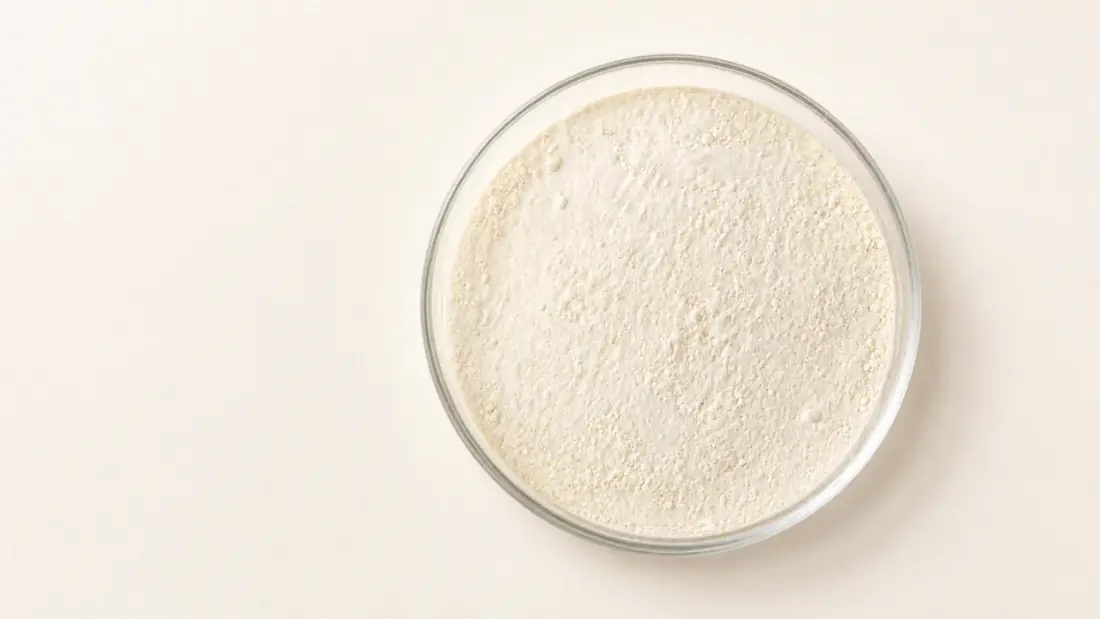
Defatted high protein
High-protein, low-fat nutrition and controlled blending.
Third-Party Sample Test: Fat 0.9 g/100g
Discuss YP-90DFHydrolyzed high protein
Good solubility for solubility-led mixes and water-phase development.
Good solubility for water-phase development
Discuss HYP-85Defatted formulation headroom
At ingredient level, this creates more room for nutrition positioning, texture design and controlled blending.
For a lower-fat formula, compare YP-85DF and YP-90DF against your protein target. For regular grades, start with the protein level and the amount your recipe can accommodate.
| Grade | Protein | Fat |
|---|---|---|
| YP-85DF ↗ | ≥85% | ≤2.0% |
| YP-90P ↗ | ≥90% | ≤6.5% |
| YP-85P ↗ | ≥85% | ≤6.5% |
| YP-80P ↗ | ≥80% | 6–9% |
Nutritional profile & protein quality
ASXAN protein profile
Published EAA / BCAA comparison
g / 100g protein
[4] Published amino-acid composition study.
ASXAN Yeast
Published in vitro study
 WPI
 YEAST
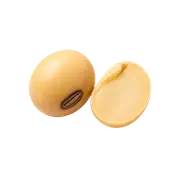 SPI
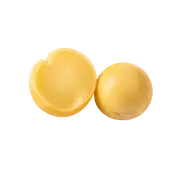 PEA
[5] Published in vitro digestion study.
The four-protein in vitro DIAAS comparison shown here is from study [5]. The EAA/BCAA comparison above and the six-protein DIAAS table below are from study [4]. Each study used its own protein materials and methods.
Published DIAAS comparison
Compare the reported results across growing-rat and INFOGEST 2.0 models.
In the INFOGEST 2.0 comparison, yeast scored above whey protein concentrate (WPC) and below whey protein isolate (WPI).
| Protein material | In vivo (growing rats) | In vitro (INFOGEST 2.0) |
|---|---|---|
| WPI | 127 | 140 |
| WPC | 114 | 119 |
| Yeast | 82 | 127 |
| Soy | 61 | 86 |
| Pea | 56 | 53 |
| Wheat | 20 | 31 |
Both models use the amino-acid scoring reference pattern for older children, adolescents and adults (>3 years). DIAAS reference value = 100; scores may exceed 100.
[4] Published growing-rat and in vitro digestion study; the same study as the EAA/BCAA comparison above.
Yeast outscored soy and pea in the four-protein in vitro study [5] and in both six-protein models shown here [4].
Five amino-acid advantages
Arginine exceeds both whey references shown.
Lysine-rich yeast protein complements lysine-limited cereal proteins in bakery, bars, breakfast nutrition and protein blends.
All composition values: g / 100g protein
| Amino acid | Yeast | WPC80 | WPI | Comparison |
|---|---|---|---|---|
| Arginine | 5.97–6.17 | 2.45 | 1.89 | 2.4–3.3× |
| Lysine | 9.31–9.36 | 9.06 | 9.47 | Near WPI |
| Phenylalanine | 5.39–5.40 | 3.08 | 2.81 | 1.75–1.92× |
| Tyrosine | 4.35–4.44 | 2.75 | 2.77 | ~1.6× |
| Histidine | 2.47–2.49 | 1.70 | 1.51 | 1.45–1.65× |
[6] Amino-acid composition reference.
Yeast protein is a complete-protein option with EAA and BCAA levels close to whey concentrate and higher than soy isolate—for high-protein nutrition, non-dairy innovation and differentiated whey blends.
Request nutrition data ↗Applications & product development
Match the grade to the food, protein target and processing conditions.
Fermentation-derived protein for high-protein, non-dairy products, with low-fat grade options. For nutrition powders, consider YP-90DF for protein density and low fat, or HYP-85 for solubility-led mixes.
Plant-protein blends can also be explored.
Discuss this development route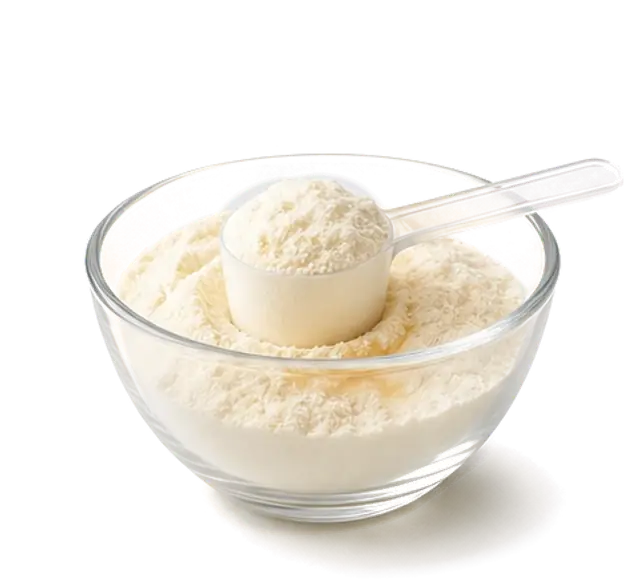
YP-90DF / HYP-85
High-protein mixes for sports nutrition and meal replacement. YP-90DF to limit fat, or HYP-85 for solubility-led development.
Formulation prioritiesProtein per serving, wetting, dispersion and flavor.
Discuss nutrition powdersA creamy shake or suspended drink can use a different protein route from a clear water-phase mix. Define reconstitution conditions, mouthfeel and appearance together.
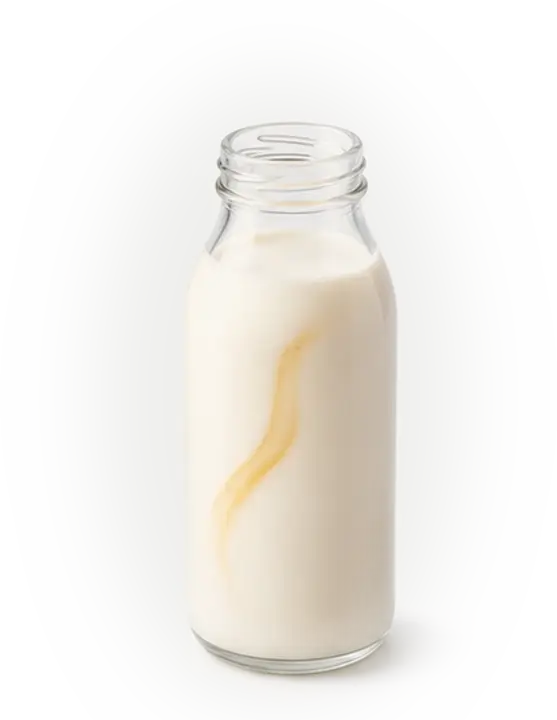
HYP-85 / YP-90DF
Protein waters with hydrolyzed HYP-85, or shakes with defatted YP-90DF in suspension.
Formulation prioritiesProtein level, pH, minerals and heat process; mouthfeel and storage stability.
Discuss RTD beveragesFor acidic clear water-phase development, evaluate HYP-85 first against the required clarity, protein retention and flavor targets. A milk-style or suspended system may instead prioritize YP-90DF. Confirm pH, protein concentration, minerals and the actual heat process; changing these conditions calls for a new application evaluation.
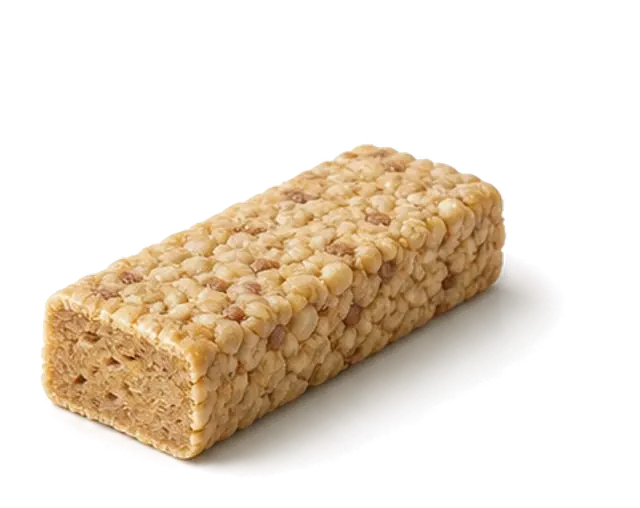
YP-90DF / YP-85P / YP-90P
Enrich cereal, nutrition and soft-texture bars. YP-90DF for tighter fat targets, or regular grades matched to the protein target.
Formulation prioritiesProtein per bar, moisture migration and bite during storage.
Discuss barsFor soft formats, track hardness and moisture migration during storage. For crisp formats, assess the protein system alongside the binder, cereal structure and intended bite.
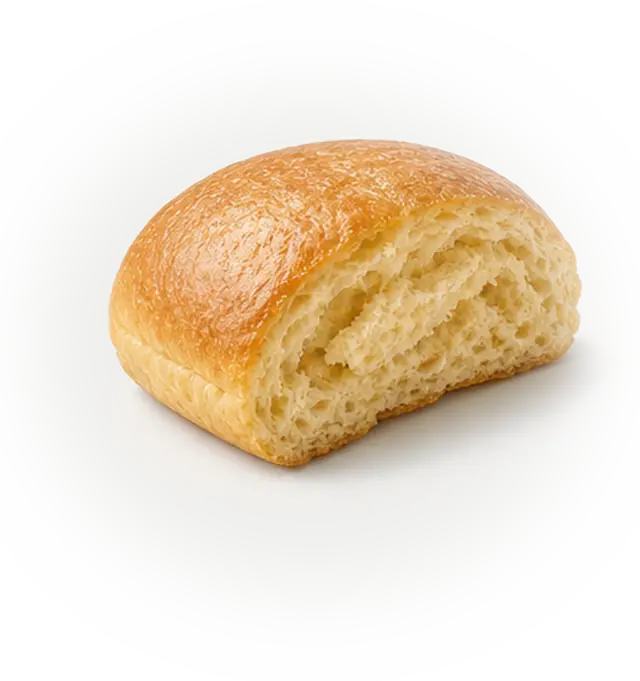
YP-80P / YP-85P / YP-90P
Protein-enriched bread, biscuits, cakes and everyday snacks.
Formulation prioritiesDough handling and water balance; crumb, color and aroma after baking.
Discuss bakery & premixesBalance protein contribution with flour, hydration and mixing. Compare the final baked texture and aroma at the intended serving size; lysine-rich yeast protein adds a useful cereal-complementarity direction.
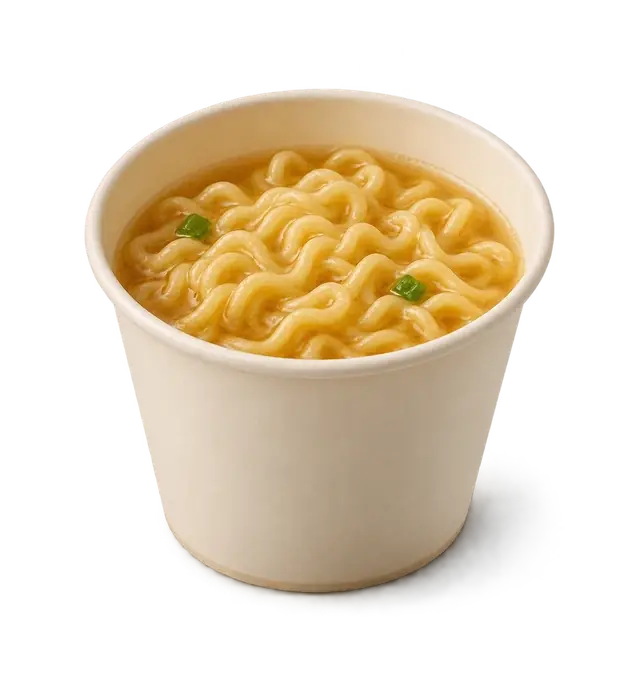
YP-80P / YP-85P
Protein enrichment for soups, sauces, instant noodles and meat alternatives.
Formulation prioritiesFlavor, water/oil binding and texture after cooking.
Discuss savory foodsA pourable soup and a structured meat alternative require different viscosity, binding and texture targets. Compare the regular grades in the actual salt, fat and processing environment.
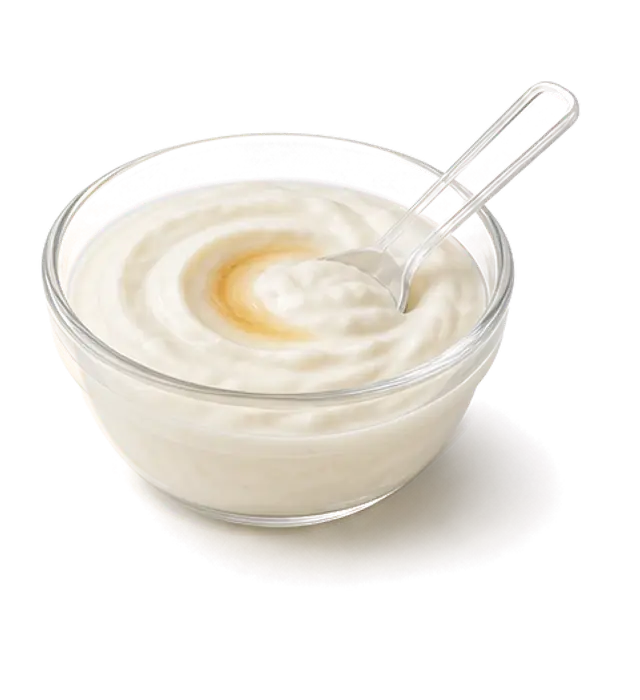
YP-85DF / YP-90DF
Defatted protein for dairy-free drinks, yogurt alternatives or frozen desserts.
Formulation prioritiesEmulsion, suspension and mouthfeel; acidification or melting behavior by format.
Discuss dairy alternativesMatch evaluation to the product: sediment and mouthfeel for drinks, acidification and structure for fermented formats, or freezing and melting behavior for frozen desserts.
Integrated manufacturing
From food-grade biomass to finished yeast protein, with three HACCP critical control points.
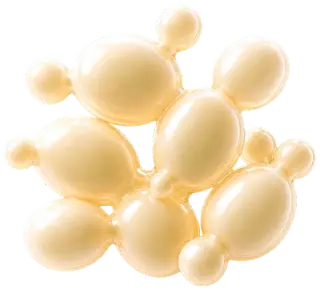 Biomass feedstock
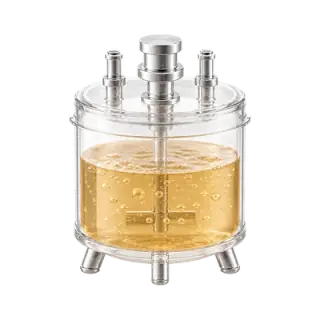 Yeast fermentation
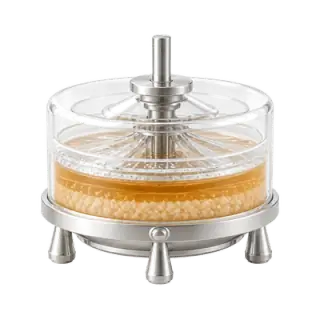 Centrifugal washing
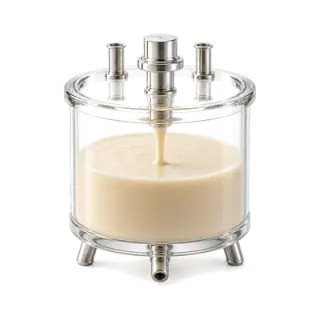 Yeast cream
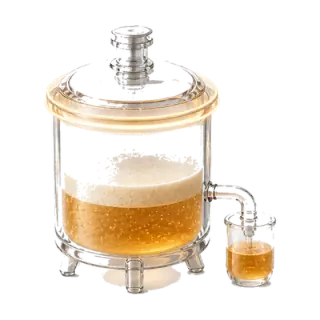 Inactivation & separation
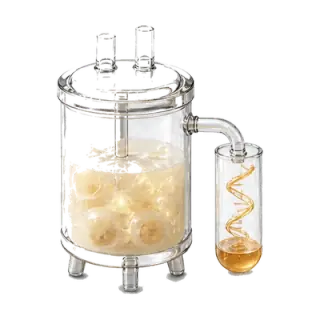 Nucleic acid removal
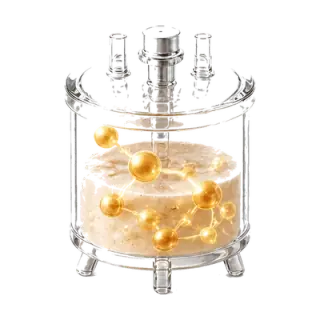 Enzymatic hydrolysis & purification
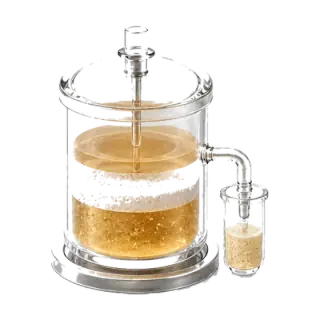 Separation & removal
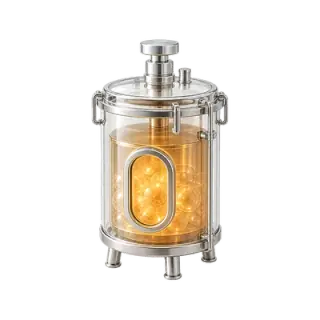 High-temperature sterilizationCCP
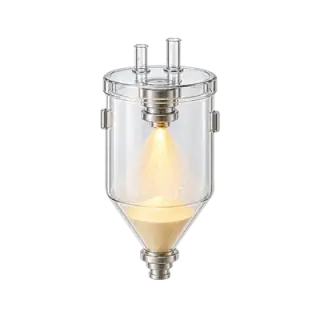 Spray drying
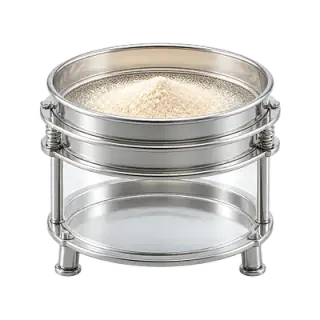 SievingCCP
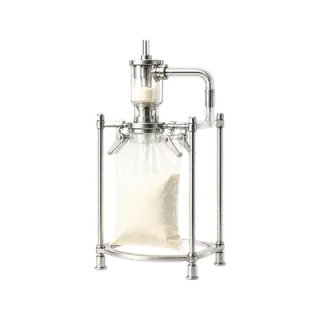 Packaging
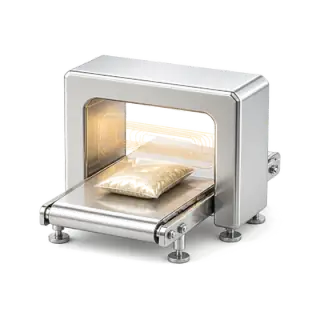 Metal detectionCCP
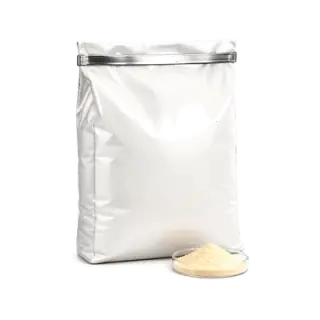 Finished yeast protein product
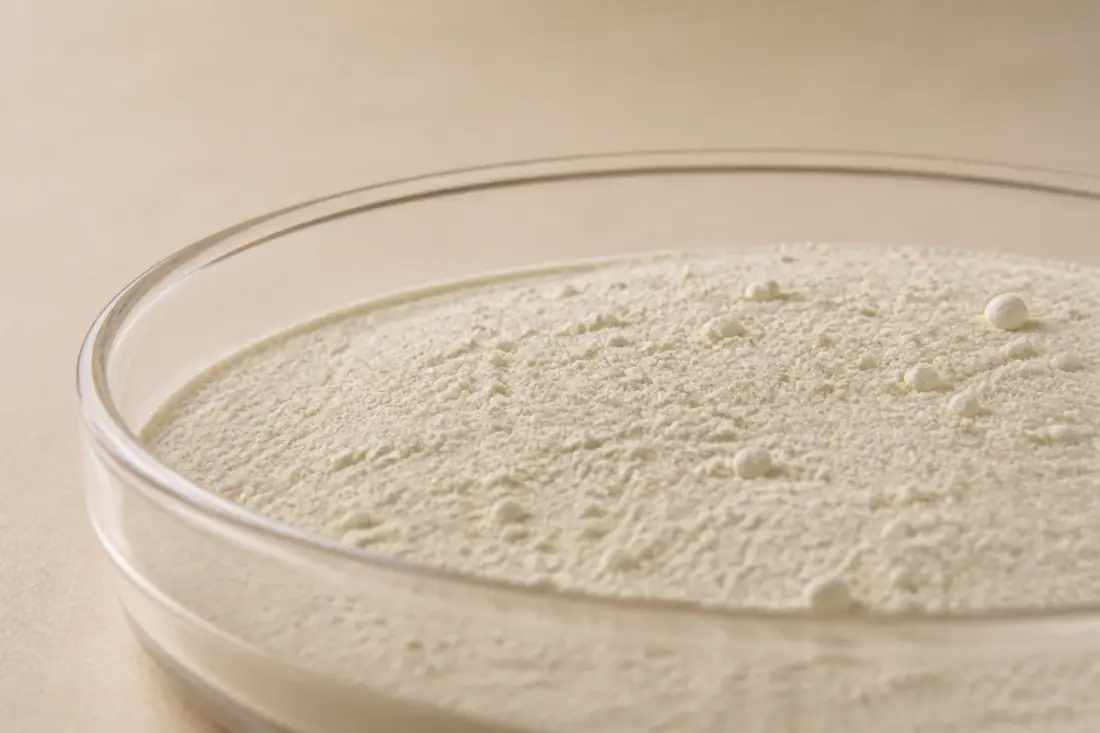
High-protein, low-fat and hydrolyzed grades.
Integrated manufacturing. Focused formulation support.
Co-development with ASXAN
Formulation co-development
Target a low yeast base note, with flavor and mouthfeel suited to the food and protein level.
Match grade selection and processing to wetting, dispersion, solubility and suspension needs.
Set foam targets by product format: low foam, rapid dissipation or stable foam.
Nutrition co-development
Complete protein, BCAA and leucine for sports-nutrition and healthy-aging concepts.

Digestion kinetics and amino-acid release profiles.

Microbiota, SCFAs and gut-barrier research.

Calcium absorption and protein–calcium nutrition.

Cost comparisons use the same protein, sensory and process targets per finished serving.
Request a price comparisonQuestions & technical resources
Grade recommendations, technical documents and samples are available on request.
Request documentsYeast protein is an ingredient selected and processed for its protein contribution. Nutritional yeast is typically a whole-yeast food ingredient; yeast extracts are commonly used for flavor and savory functions. Evaluate the specific grade and specification for the intended protein, flavor and food task.
YP-90DF is the starting point for high-protein, low-fat nutrition and suspended systems. HYP-85 is the hydrolyzed route for solubility-led mixes and water-phase development. Compare them in your actual food and process; a higher protein number alone does not determine the best fit.
Both routes are available. Yeast protein can lead a non-dairy complete-protein concept or be evaluated in a whey blend around amino-acid balance, fat targets, mouthfeel and cost-in-use. A formula containing whey remains a dairy-containing formula. Plant-protein blends can also be explored.
No. A creamy shake, acidic clear beverage and mineral-fortified RTD create different formulation conditions. Define protein level, pH, minerals, hydration and heat process together with clarity or suspension, mouthfeel and storage targets. HYP-85 provides a route to evaluate for water-phase development; the finished beverage needs its own application assessment.
Ask for grade recommendations, product specifications, relevant batch and test documentation, manufacturing and quality information, or samples for application evaluation. Include the food format, target market and key formulation targets so the request can be matched to the project.
Your next protein project
Discuss a grade, request information or samples, compare pricing, or explore co-development.
info@asxan.comCopy your brief or open it in your email app. You can review the email before sending.
Open the product brochure (PDF) ↗